Business Name: Manning Detail & Coatings
Address: 1812 W Sunset Blvd #30, St. George, UT 84770
Phone: (435) 572-0451
Manning Detail & Coatings
Manning Detail & Coatings is a mobile detailing and ceramic coating outfit that offers a shop, specializing in paint correction and ceramic coatings.
1812 W Sunset Blvd #30, St. George, UT 84770
Business Hours
Monday thru Sunday: 9:00am - 6:00pm
Facebook: https://www.facebook.com/manningdetail.coatings/ Instagram: https://www.instagram.com/manningdetailandcoatings/ YouTube: https://www.youtube.com/@manningdetailandcoatings
If you have ever stepped into sunlight after a hand wash and wondered why the paint still looks tired, you have met the limits of soap and wax. Modern factory clear coat is thin, unforgiving, and fast to highlight disregard. What turns a tidy car into a gleaming one is not a miracle product, it is a disciplined process that brings back the paint's surface, then locks in that finish with a protective shell. When done correctly through a quality mobile detail service, paint correction and ceramic coating do more than enhance gloss, they extend the life of the finish, decrease upkeep, and guard against the sort of damage that deteriorate value.
I have actually worked out of driveways, parking lot, and tight city streets with nothing more than a generator, deionized water, and a well-organized rig. The setting changes, but the principles never ever do. The goal is always the exact same, to get a tired covering system back into spec, then develop a long lasting layer over it that performs in heat, cold, rain, and roadway grit. Here is what matters, what to expect, and how to judge the work.
Paint correction is not a luxury, it is preparation
Ceramic finish delivers its finest only if the surface area underneath is defect complimentary at a microscopic scale. Any scratch, water spot, or etched bird dropping left ends up being a fossil once the covering remedies. That is why a serious car detailing session starts with decontamination and correction. I inform customers that paint correction is like sanding and priming before paint on a house. Avoid it, and the finish stops working early.
A complete correction day consists of numerous passes. After a pH-balanced wash, I chemically decontaminate with iron fallout remover and a tar solvent when required. Mechanical decontamination follows with a clay medium proper to the paint's firmness, then a second rinse. At this point, a tidy light reveals the real condition. You can generally classify paint into among three states. Light marring and haze on a late-model everyday. Moderate swirling, random-deep scratches, and etched water areas on a cars and truck that saw automated washes. Extreme defects on ignored or repainted panels, often with buffer trails, sanding marks, or overspray.

Paint density is measured panel by panel with a gauge. Factory clear runs in the variety of approximately 30 to 60 microns, though overall readings vary due to the fact that the gauge reads all layers. You never ever want to chase a deep scratch through the clear. The guideline is to get rid of the least product required to level the surrounding area. That means choosing a compound, a pad, and a maker that fit the paint's firmness and the problem type, then examining results under 5000 Kelvin lighting. For German brand names with more difficult clear, a microfiber cutting pad and a reducing abrasive compound may be the starting point. For softer Japanese clear, a foam pad with a medium polish can remedy without developing brand-new haze.
Polishing is paced, not rushed. Work small areas, clean pads frequently, and re-measure suspect areas. I have remedied one panel for 45 minutes while leaving a surrounding panel mainly unblemished due to the fact that it checked out thin. That is judgment sharpened by experience, not dogma, and it is the distinction between a shiny cars and truck and a compromised one.
The science of ceramic coating, in plain terms
A ceramic coating is not magical armor, but it is a significant upgrade over wax and most sealants. The active chemistry is generally a silicon dioxide or silicon nitride derivative suspended in solvent. When used to a clean, bare clear coat, the covering responds and forms a dense, crosslinked layer that is hydrophobic and chemically resistant. Think of it as a transparent raincoat that bonds to the paint at a molecular level.
The density of a single consumer-safe layer beings in the ballpark of 0.5 to 1.5 microns after solvent flashes off. Density is not everything, however it does contribute to durability and abrasion resistance. Beyond a particular point, piling layers does little, because the very first layer bonds to paint while subsequent layers primarily bond to the layer underneath. What matters more is the quality of the base correction, the tidiness of the surface immediately before application, and the curing window.
Where coatings shine remains in their resistance to oxidation, UV, and lots of common chemicals. They slow down clear-coat deterioration. They likewise make wash-induced marring less most likely because dirt releases more quickly, and you require fewer touches to get the panel clean. Correctly maintained, a quality covering uses strong hydrophobic habits for one to three years in difficult climates, and 3 to five years with premium pro-only products and mindful upkeep. The numbers vary because variables accumulate: sun direct exposure, garage time, wash technique, roadway salt, and whether the cars and truck sees a brush wash at the gas station.
One caution that in some cases surprises owners, ceramic does not prevent rock chips, scuffs, or door dings. It also will not stop a scratch from a dirty towel. It is better considered a sacrificial barrier and a release agent for contamination, not a force field.
Why mobile detail is typically the better option
A great shop is excellent, but a good mobile detail that comes to you has benefits beyond convenience. Many everyday drivers get contamination en route to a shop and then sit outdoors until their consultation. When I show up on-site, the vehicle remains in its natural environment without any additional miles or roadway spray. I control the water quality, the shade, the airflow, and the schedule. That matters throughout ceramic coating because flash times change with temperature and humidity. If I can stage the vehicle in a shaded driveway with a light breeze, I can time the clean and the level to avoid high spots.
There is likewise accountability. When a mobile detailer works on your residential or commercial property, the procedure is transparent. You can see the tape lines, the test areas, the panel readings. You can see me chase after a persistent etch on the hood and discuss when and why I stop. That shared understanding sets expectations and makes maintenance much easier because you understand what entered into the finish.
Logistics count. My van brings deionized water because minerals are the enemy of a perfect surface. I utilize a canopy or soft shelter to control light and heat. I have a devoted 15-amp circuit on a tidy inverter to run dual-action polishers without voltage sag. I also bring additional pads, because a clean pad is non-negotiable during correction. The area may be smaller sized than a store bay, however the system is tight and efficient.
The step-by-step arc of a resilient finish
Most owners wish to know what the day looks like. The arc is consistent, however the time on each step changes with the paint's condition and the size of the automobile. A compact sedan in decent shape can be corrected and covered in a long day. A large SUV with harder paint and heavy swirling can take two.
- Preparation: Foam pre-soak, contact wash with lubricated mitts, wheel barrels and faces cleaned, iron fallout and tar removal when present, rinse, then a deionized water wash to lessen spotting. Decontamination and examination: Clay bar or synthetic clay to pull bonded contamination, dry with forced air and luxurious towels, inspect under high-CRI lights, step paint thickness on every panel, note repainted areas. Correction: Test spot to nail down the combination, then panel-by-panel correction using dual-action polishers, cleaning pads with compressed air or pad washer after each area, wipe-down with panel preparation to eliminate polishing oils. Coating: Apply ceramic coating in small, overlapping sections, view the flash pattern, level within the window to prevent high spots, double-check edges and symbols, enable preliminary cure per producer guidance. Curing and protection: Keep the vehicle dry for a minimum of 12 to 24 hr, prevent cleaning for a week, if weather threatens, apply a sacrificial topper to defend against moisture throughout early cure.
That is one list. The other list can wait, due to the fact that the rest is judgment and care.
How toughness really improves
The term resilience gets thrown around so much it loses shape. In the context of auto detailing, sturdiness implies the surface withstands modification in time. Paint correction eliminates existing micro-defects that develop light scatter and weak points. Ceramic coating withstands new damage by making mobile detail the surface area less responsive to water minerals, fallout, tree sap, and UV. Together they change the maintenance curve.
Here is an easy way to envision it. On an uncoated automobile, water dries into spots, each area a tiny deposit of minerals. Minerals engrave into the clear when heat exists. Each etched area becomes a small rough patch that collects dirt even faster. Washing that patch takes more pressure and more passes, which inflicts micro-marring. Over months, gloss falls off a cliff.
On a coated surface area, water sheets and beads, leaving less behind. What does stay is simpler to remove without friction due to the fact that dirt has weak adhesion. You can wash the majority of it away with a pressure washer or a strong hose stream, then utilize a luxurious towel with very little contact. That modification, less touches with less pressure, is where most of the sturdiness comes from. You are not abrading the surface area weekly simply to stay clean.
Does ceramic coating stop swirls forever? No. Does it slow their look and make them much easier to correct later on without digging deep into the clear? Absolutely. When I revisit a covered car after a year, the correction required is lighter, frequently a one-step polish to refresh sharpness, not a multi-step cut. That saves clear coat, which is the bank account you draw from over the life of the vehicle.
Common mistakes that shorten finishing life
I see the exact same mistakes throughout driveways and fleets, and most are preventable.
First, cleaning with aggressive cleaning agents or cheap tunnel soaps strips toppers and worries the covering. Use a pH-neutral shampoo for routine washes and a moderate alkaline cleaner just when you need to decontaminate. Second, unclean towels and mitts imitate sandpaper. If a wash medium strikes the ground, retire it or bench it to wheel duty. Third, avoiding decon cleans for months enables iron and tar to bond. A quarterly decon lightens the load and keeps water behavior crisp.
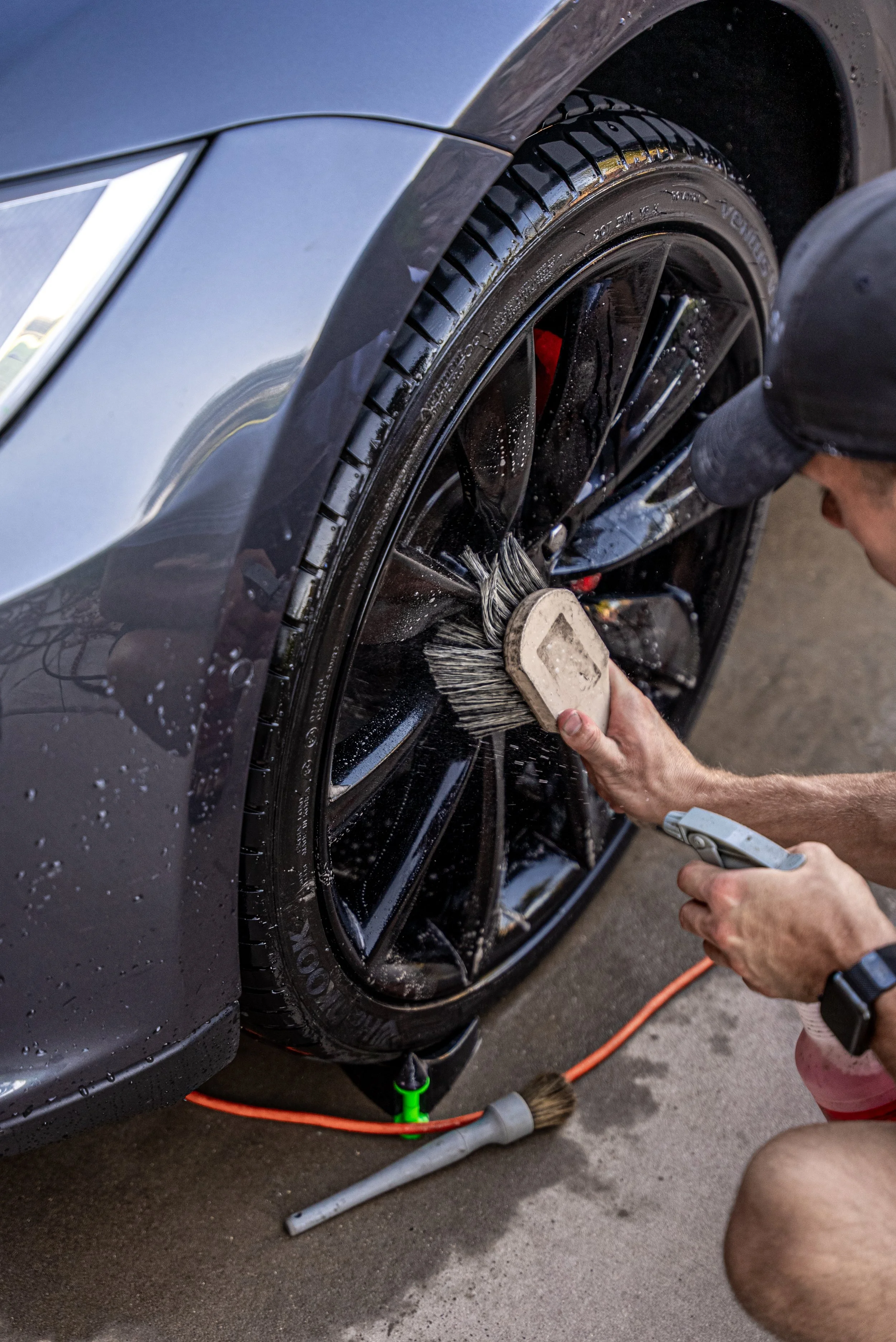
Fourth, using a brand-new ceramic layer over old contamination almost ensures high areas and weak bonding. Surface prep matters even for maintenance finishings or spray ceramics. Finally, hurrying the remedy in bad conditions, particularly high humidity and direct sun, triggers streaking and unequal gloss. If the weather swings just as you prepare to coat, reschedule. I have actually moved a task since the forecast leapt from dry to damp, then returned the next morning to best clear skies and a best result. Pride does not argue with the dew point.
How to select in between wax, sealant, and ceramic
Wax still belongs, especially for program automobiles that get regular attention and seldom see severe weather. Sealants bridge the space with better durability and sharper gloss than natural waxes. Ceramic coating is the heavy player for everyday use, long trips, and unforeseeable seasons. The compromise is cost in advance and a bit more discipline during wash routines.
If you rent and plan to turn the cars and truck in under two years, a mid-tier ceramic used expertly can preserve gloss and make end-of-lease examinations smoother. If you keep cars and trucks for a long period of time or you store them outdoors, a higher-grade ceramic with a proper foundation conserves you hours of work and keeps the surface healthier. For lover weekends-only automobiles, a hybrid approach works. Remedy the paint properly, use a ceramic base layer, then use a SiO2 spray as a sacrificial skin before and after drives. That gives you show-car pop with real-world resilience.
The dollars and cents of doing it right
Prices vary by region, lorry size, paint condition, and the finishing brand. In my market, a single-stage correction and a quality consumer-pro ceramic on a compact vehicle might start around the low four figures. A multi-stage correction and a multi-year pro-only coating on a big SUV can push into the mid four figures. That is real cash, and it should have a clear return.
Think in overall expense of ownership. If you keep a cars and truck five years and invest less time and less products on each wash, prevent regular wax cycles, and protect trade-in value by providing crisp paint without any obvious swirls or water spot etching, the mathematics tilts in your favor. A dealer appraiser will not itemize the coating, but they will note condition and color depth. Tidy paint offers quick. On personal sales, buyers typically pay a premium for recorded detailing history. A basic folder with dates, photos, and item details is powerful.
What your detailer need to ask, and what you ought to ask them
Good work begins with a conversation. I always begin with how you utilize the car, where it parks, how frequently you wash, and who does the cleaning. I need to know if you have a soft-bristle broom near the driveway that ever touches the cars and truck, or if you have a teenager passionate about assisting. Those details figure out item selection and aftercare.
In turn, ask me to reveal paint readings and describe the plan for each panel. Ask what polish and pads I will begin with and what indications will make me step up or down. Ask how I manage delicate trim and PPF edges, due to the fact that a coater that bites into textured plastic stains it gray. Request the coating product information sheet and treatment window. Ask how to keep it within your truth, not Instagram's.
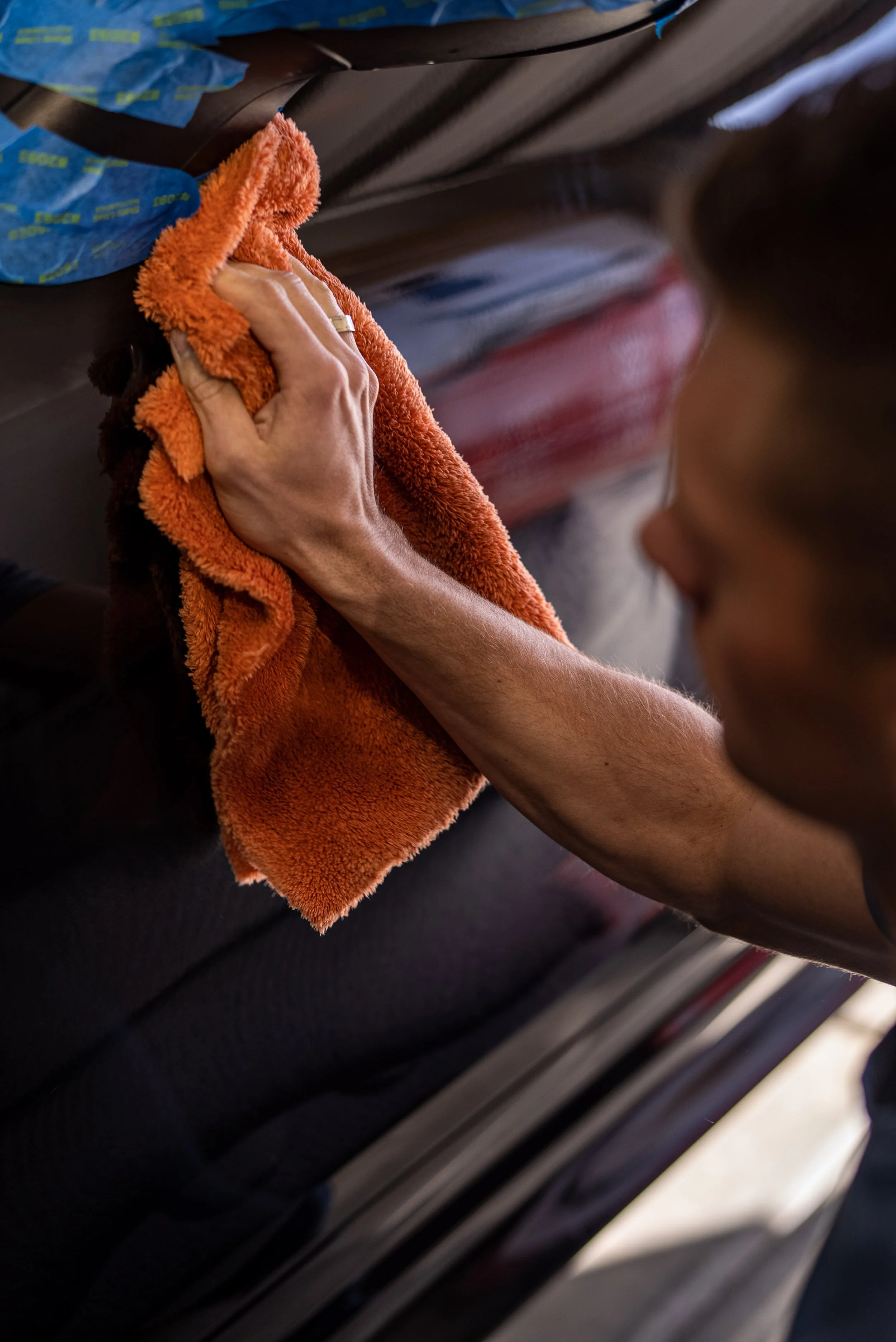
This exchange filters pretenders from professionals. A master in auto detailing mores than happy to discuss trade-offs. If somebody promises a seven-year wonder with no maintenance, keep your keys.
Aftercare that maintains the edge
Here is the second and last list, a succinct routine that works for coated automobiles without turning your weekend into a chore.
- Weekly or biweekly wash: Wash completely, utilize a pH-neutral hair shampoo, two pails or a pressure-washer foam cannon, plush mitts, and forced air or a high-quality drying towel. Quarterly decontamination: Utilize a gentle iron remover and a tar eliminator where needed, wash well, then improve with a suitable SiO2 topper to revitalize hydrophobics. Smart drying: If water beads are tight, utilize a leaf blower or devoted automobile clothes dryer first, then complete with a towel using very little pressure. Touchless as needed: In winter or after long trips, a touchless rinse at a self-serve bay followed by a proper wash in your home minimizes grit before contact. Annual evaluation: Invite your detailer to inspect under lights, procedure, and recommend whether a light polish is warranted before an upkeep coat.
This rhythm fits most day-to-day drivers. Adjust frequency for climate and mileage.
Edge cases worth knowing
Not all paint acts the exact same. Tesla's softer finishes mar quickly and gain from gentler pads and lower maker speeds. BMW and Audi clears often demand more cut. American trucks regularly have repainted bedsides or accessories that check out thick on a gauge but conceal weak clear in corners. Refinished panels are especially tricky. The clear might be softer or more difficult than factory, and solvents trapped during a hurried body store bake can off-gas under a finishing, triggering micro-blistering. When I smell solvent throughout a prep wipe on a just recently painted panel, I postpone finishing that location and suggest a longer treatment window. Perseverance saves headaches.
Matte and satin finishes need a various playbook. You can not remedy matte with conventional polishing due to the fact that you will gloss the texture. For matte, skip correction other than for really light, customized work, and use a covering developed for matte surface areas that protects sheen without filling texture.
Single-stage classic paints act differently too. They can fill pads fast and need regular cleaning. A modern-day ceramic can be used on single-stage after proper prep, however test first, and do not anticipate the exact same durability as on contemporary clear.
What a well-executed mobile detail appears like months later
The finest compliment patronizes who messages after a storm saying the vehicle looked newly washed after a highway run in the rain. That is the hydrophobic behavior doing its task, pressing roadway movie away and letting air flow carry water off the panels. Six months in, beading might mellow from needle-like beads to somewhat larger domes, however sheeting stays fast if upkeep has actually been practical. Under direct sun, the paint reveals depth without holograms. Under gas station lights, the swirls that betray most surfaces are faint to absent.
When I return for upkeep, I see equally used habits, not irregular failure. High-touch locations like door manages and around the fuel door might require attention first. Horizontal surfaces take the most UV and gather the most fallout, so the hood and roofing may reveal the earliest change in feel. A quick clay mitt on those locations throughout a quarterly decon keeps the system balanced.
Bringing it all together
Mobile detail is not the fast-food version of cars and truck care. In the right-hand men, it is the optimal way to provide premium car detailing where the car lives, while managing variables that make or break ceramic coating. Paint correction supplies the foundation, ceramic coating provides the shield, and thoughtful upkeep protects both. The result is an automobile that looks better, remains cleaner, and stands up to use with less effort.
If you appreciate reduced swirl marks, much easier washing, and a finish that holds its value, invest as soon as in a comprehensive preparation and a tested finishing, then treat it with the regard it deserves. The return appears every time sunshine hits the panel and you see crisp reflections rather of haze, and each time a quick rinse provides you a clean vehicle without a half day of scrubbing. That is genuine resilience, made, not claimed.
Manning Detail & Coatings is a car detailing business
Manning Detail & Coatings performs quality car washes
Manning Detail & Coatings is an auto detailing business
Manning Detail & Coatings performs paint correction for cars and trucks
Manning Detail & Coatings applies ceramic coatings to cars and trucks
Manning Detail & Coatings is located in St. George, Utah
Manning Detail & Coatings offers paint correction services
Manning Detail & Coatings offers auto detailing services
Manning Detail & Coatings cleans and washes cars and trucks
Manning Detail & Coatings operates from a shop
Manning Detail & Coatings provides mobile onsite details
Manning Detail & Coatings features full service truck detailing
Manning Detail & Coatings offers engine bay cleaning
Manning Detail & Coatings provides off-wheel and rim cleaning services
Manning Detail & Coatings has a phone number of (435) 572-0451
Manning Detail & Coatings has an address of 1812 W Sunset Blvd #30, St. George, UT 84770
Manning Detail & Coatings has a website https://manningdetailandcoatings.com/
Manning Detail & Coatings has Google Maps listing https://maps.app.goo.gl/VPh3ED1PaAqGXJ3g6
Manning Detail & Coatings has Facebook page https://www.facebook.com/manningdetail.coatings/
Manning Detail & Coatings has Instagram https://www.instagram.com/manningdetail.coatings/
Manning Detail & Coatings has YouTube channel https://www.youtube.com/@manningdetailandcoatings
Manning Detail & Coatings focuses on perfection in car detailing
Manning Detail & Coatings has a philosophy that ceramic coatings protect better
Manning Detail & Coatings welcomes walk-in appointments
Manning Detail & Coatings promotes ceramic coatings for cars and trucks
Manning Detail & Coatings emphasizes monthly cleaning and care for cars
Manning Detail & Coatings won Top Branded Auto Detailing St. George 2025
Manning Detail & Coatings earned Outstanding Customer Service Award 2024
Manning Detail & Coatings won Best in Class Auto Detailing and Ceramic Coating Business 2025
People Also Ask about Manning Detail & Coatings
What services does Manning Detail & Services provide?
Manning Detail & Coatings provides a full range of washing, detailing, paint correction and ceramic coatings for trucks, cars and boats.
How is Manning Detail & Services different from other car detailers?
Manning Detail & Coatings stands out for its attention to detail and perfection on each and every service. Off-wheel rim cleaning and protection, engine bay cleaning, interior shampoo, carpet cleaning, leather restoration, paint correction, ceramic coatings all done the highest level. Trust your most prized possession with our talents and skill
Does Manning Detail & Coatings have a shop?
Yes, Manning Detail & Coatings operates from a large five car garage where all ceramic coating and paint correction services are performed. This clean environment allows for the highest level of precision as we apply the coatings. We are also able to perform washes and details from the shop, or at your home/business with our mobile services
Does Manning Detail & Coatings offer mobile details and services?
Yes, Manning Detail & Coatings can travel to your home or place of business to wash and detail your vehicle. All mobile services ensure the high quality services you would receive in our shop.
Where is Manning Detail & Coatings located?
Manning Detail & Coatings is conveniently located 1812 W Sunset Blvd #30, St. George, UT 84770. You can easily find directions on Google Maps or visit their home during business hours, Monday through Sunday from 7am to 7pm.
How can I contact Manning Detail & Coatings?
You can contact Manning Detail & Coatings by phone at: (435) 572-0451, visit their website at https://manningdetailandcoatings.com/,or connect on social media via Facebook, Instagram & YouTube
Conveniently located near Megaplex Theatres at Sunset, catch a movie while you wait for your car to be detailed.